


Folic Acid
(Vitamin B9)

Key Takeaways
- Folic acid (vitamin B9) is essential for cell reproduction, red blood cell production, and maintaining normal brain function.[1][2][3]
- Adequate folic acid intake, especially during pregnancy, helps prevent birth defects and supports neural tube development.[1]
- Folate can be obtained from foods like leafy greens, beans, fortified cereals, and supplements such as Centrum multivitamins.*[1][2]
Folic acid is a B vitamin that’s necessary for cell reproduction, cellular health during pregnancy and periods of rapid growth.[1][2][3] Folic acid is the synthetic form of folate.[1] The names “folic acid” and “folate” are often used interchangeably.[3]
What Is Folic Acid, and What Are Its Benefits for Men and Women?
Folic acid is the synthetic counterpart to folate (vitamin B9), which can be found naturally in certain plant foods.[1]
Folic acid has many benefits for men and women. Cell reproduction is among folate’s most important duties.[3] Folic acid also plays an important role in the production of red blood cells.[1] In conjunction with vitamins B6 and B12, it helps control homocysteine levels in the bloodstream.[1] Research indicates that elevated homocysteine levels could potentially be associated with heart disease.[1]
Folate is also necessary for making the nucleic acids DNA and RNA, which is a critical role during times of rapid growth, such as pregnancy and infancy.[2] This also explains why folate/folic acid is so important in maintaining normal brain function.[2] It’s recommended that men and women ages 14 and older have 400 mcg of folate per day.[2] Consider supplements like Centrum Silver Men or Centrum Silver Women. Both of these supplements support healthy aging and contain folic acid.*

Why Is Folic Acid Important During Pregnancy?
You might notice folic acid as a key ingredient in many prenatal vitamins. Adequate folic acid is necessary during pregnancy to help prevent certain birth defects and support neural tube development.[1] Pregnant women need 600 mcg of folate per day.[2] Taking a prenatal supplement starting three months before conception can help women meet their daily folic acid needs.[1]





Centrum
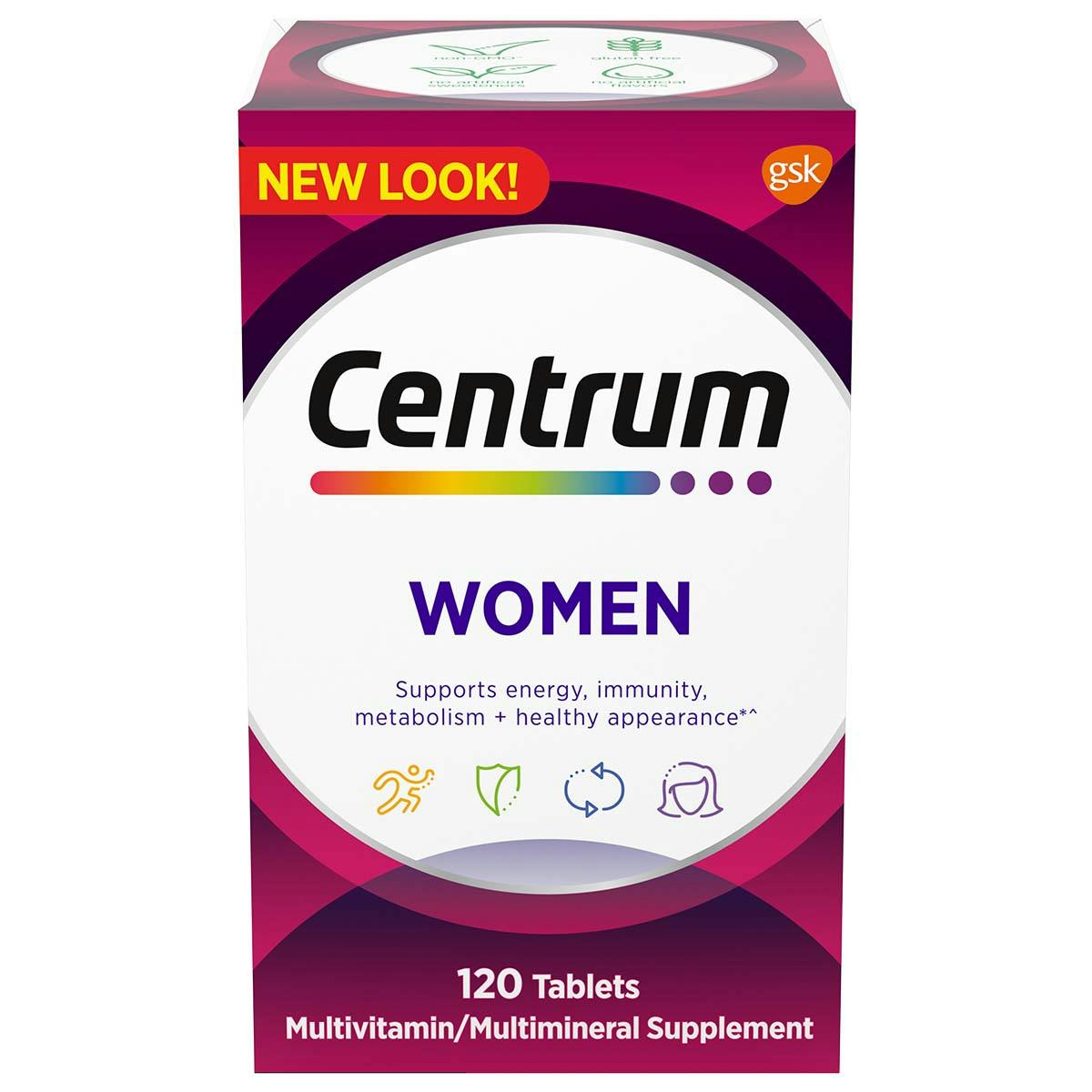
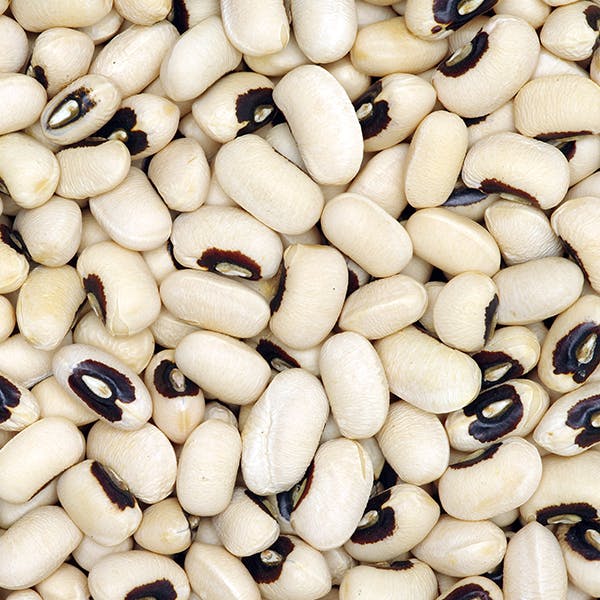
A daily multivitamin formulated for women to support energy, immunity, metabolism, and healthy appearance.*
Centrum
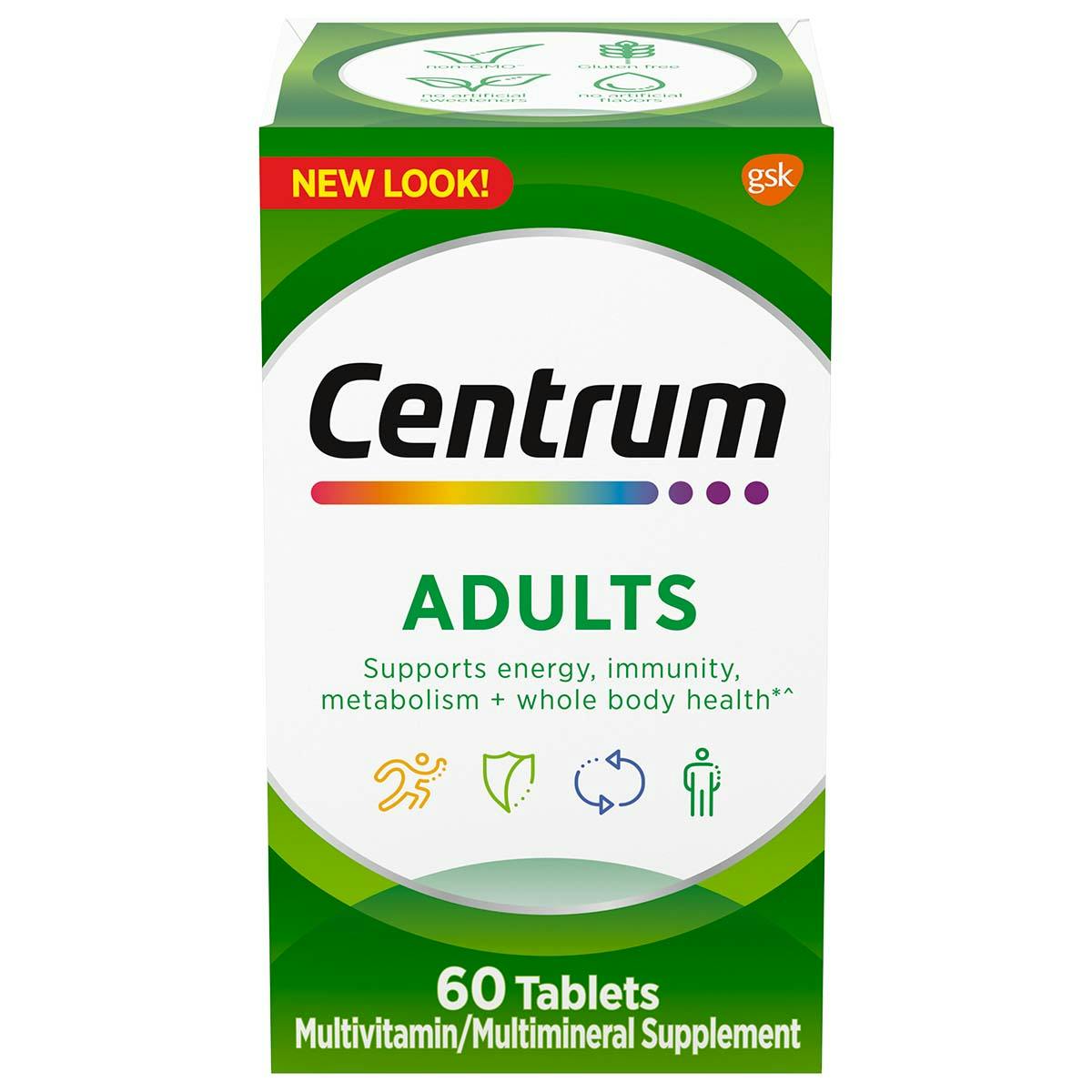
A daily multivitamin formulated for adults to support energy, immunity, metabolism, and whole body health.*
Centrum Silver
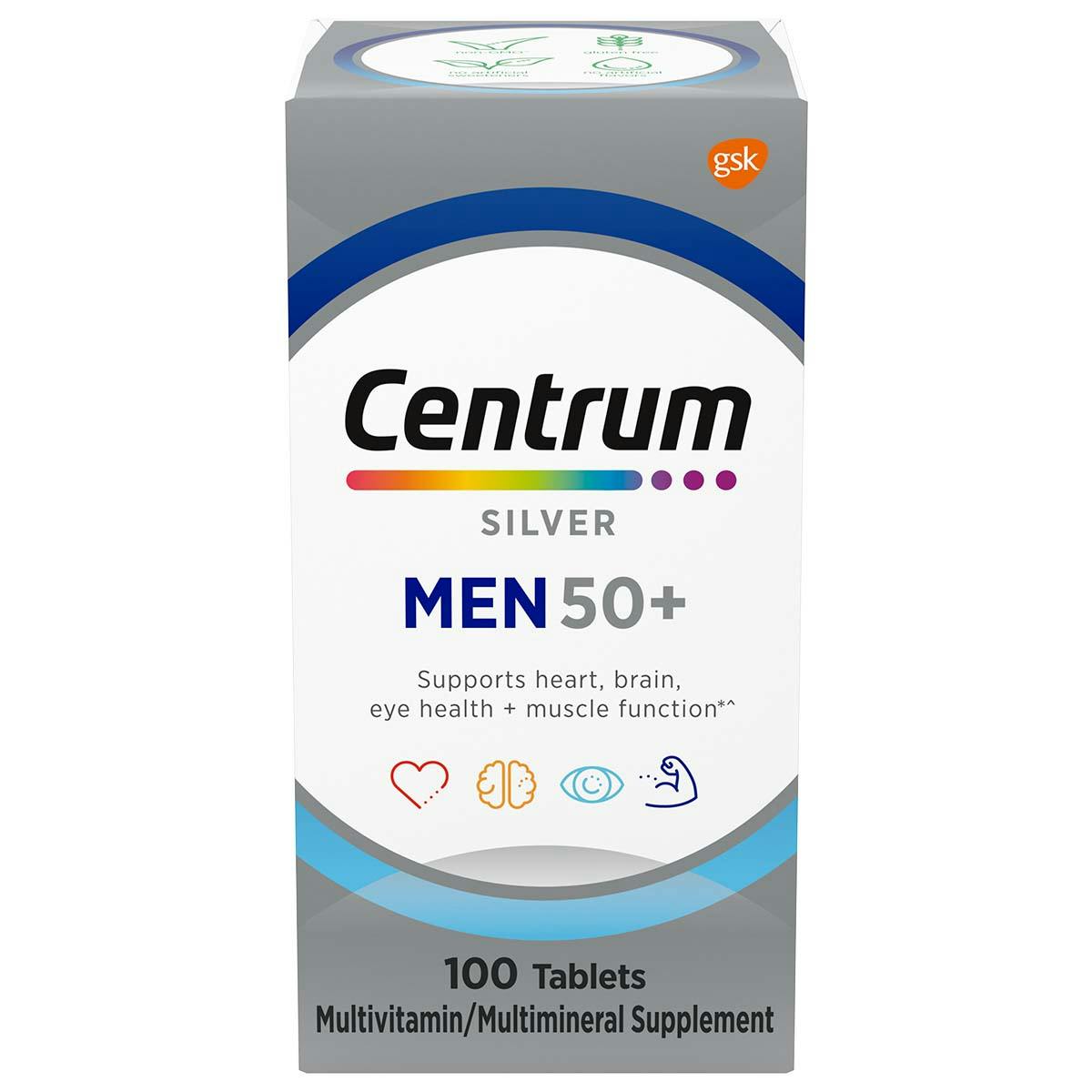
Specially formulated for men 50+ to help support heart health, brain function, healthy eyes, and muscle function.
Centrum Silver
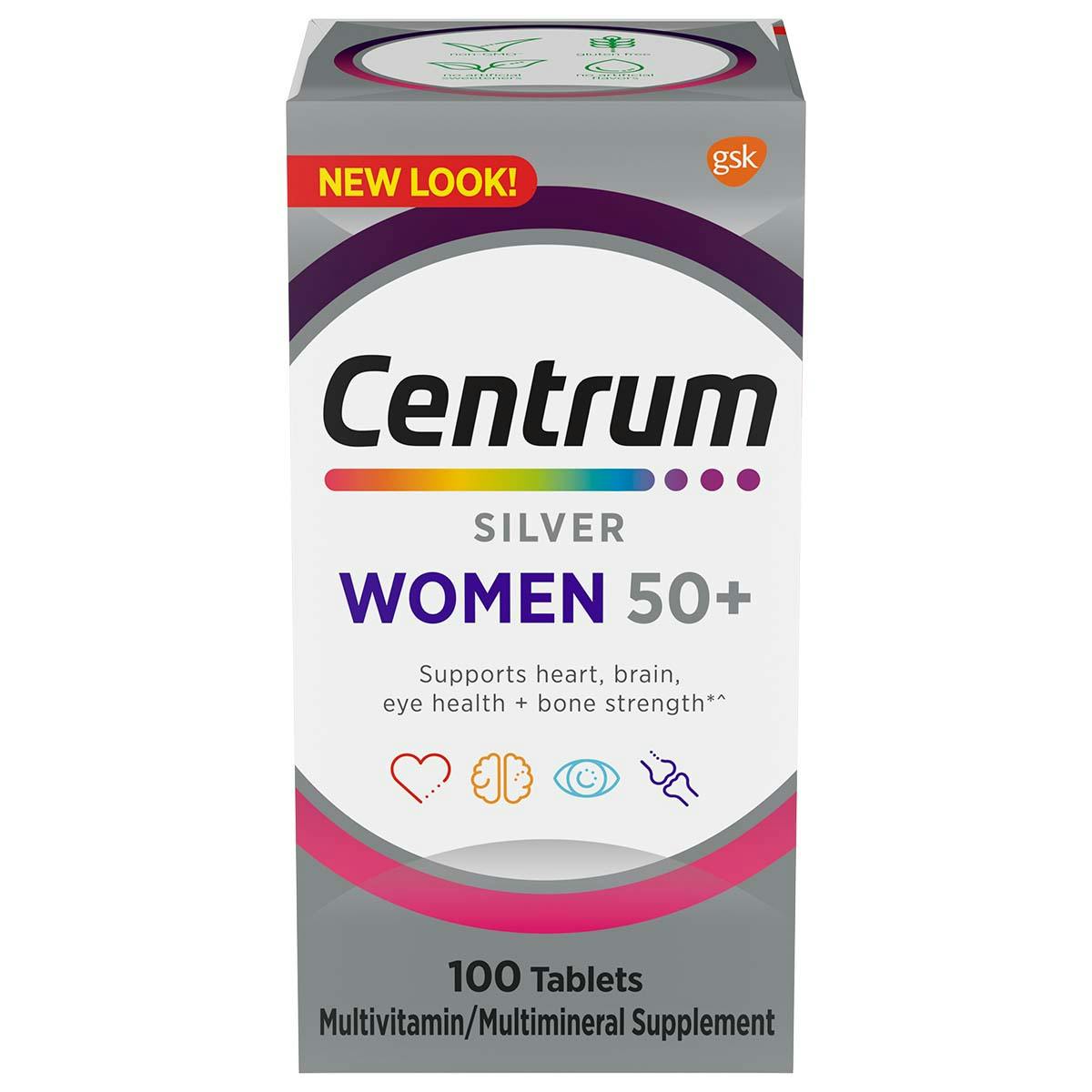
Crafted for women over 50, Centrum Silver Women supports bone strength, memory, and heart health with calcium, vitamin D, and essential B vitamins. *
Centrum Silver
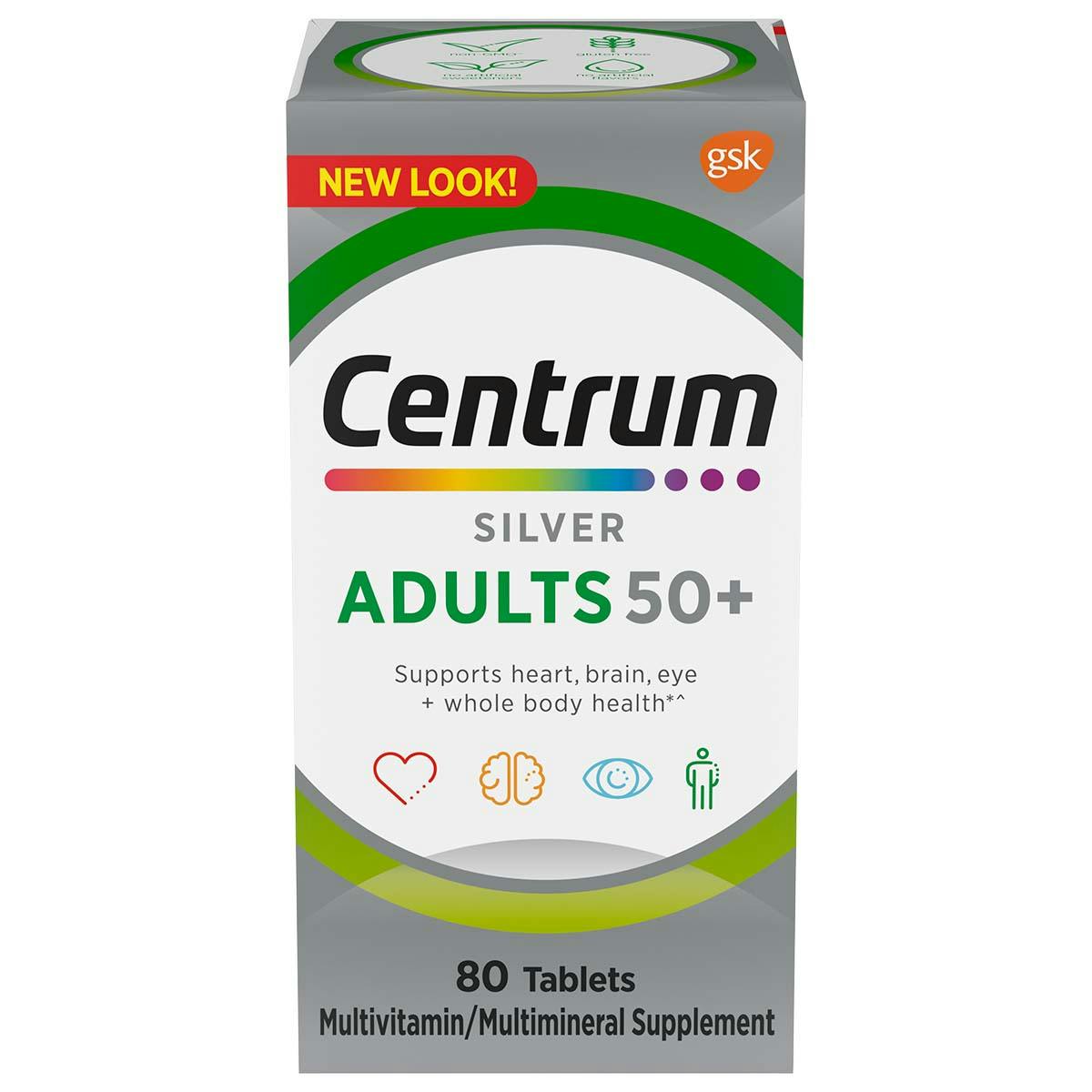
A daily multivitamin formulated for adults 50+ to help promote heart health, brain function, and eye health.
Centrum Maternal Health
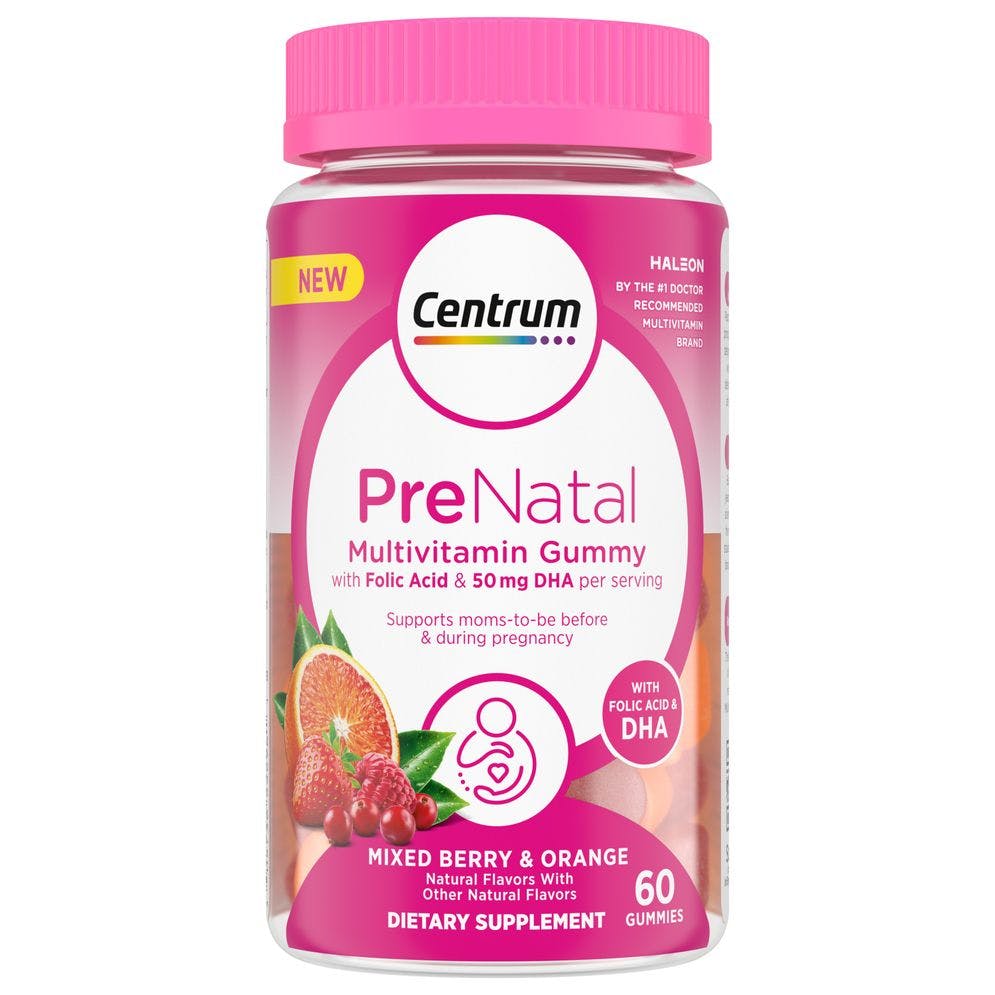
A daily multivitamin gummy that supports women before and during pregnancy. With folic acid, DHA, and 10 other essential nutrients, these gummies are a tasty way to support your body during pregnancy, as well as your baby’s development.*
Centrum Maternal Health
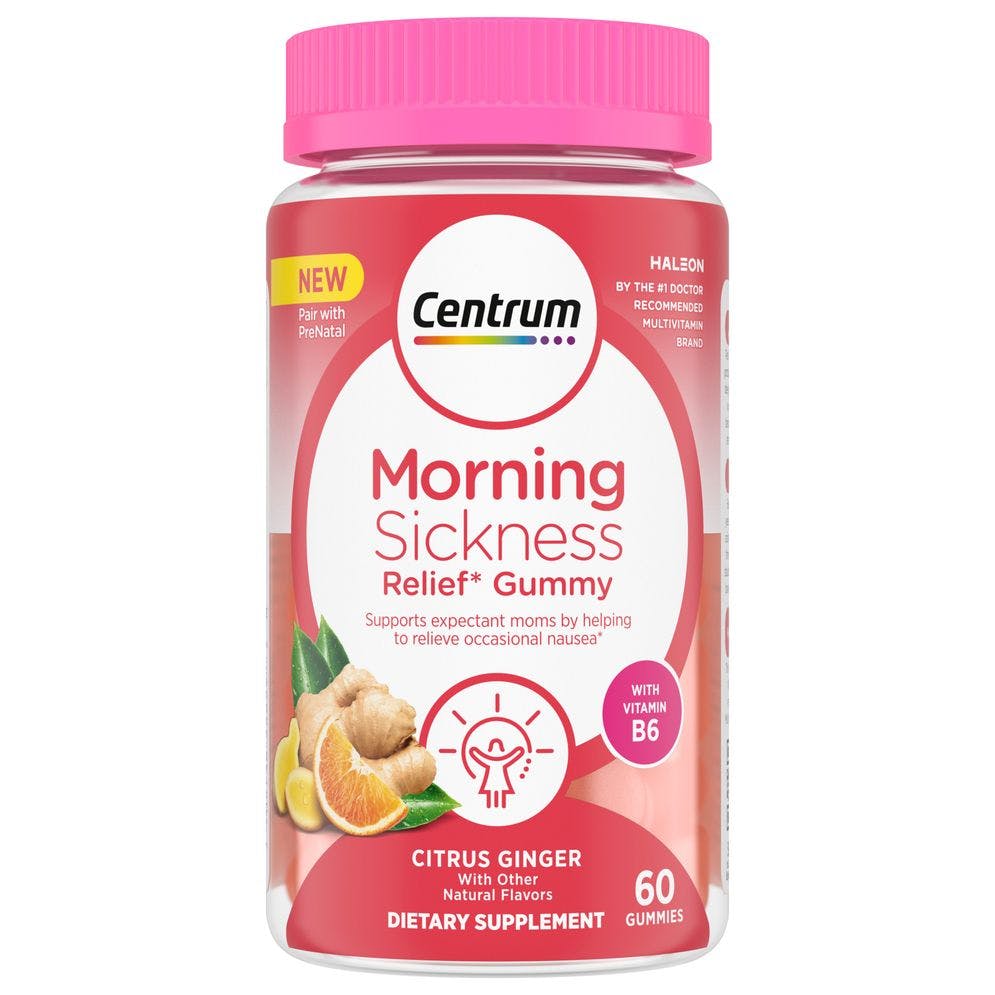
A gummy supplement formulated with Vitamin B6 to help moms-to-be find relief from occasional nausea and morning sickness.* These tasty gummies are made with real ginger.
Centrum Maternal Health
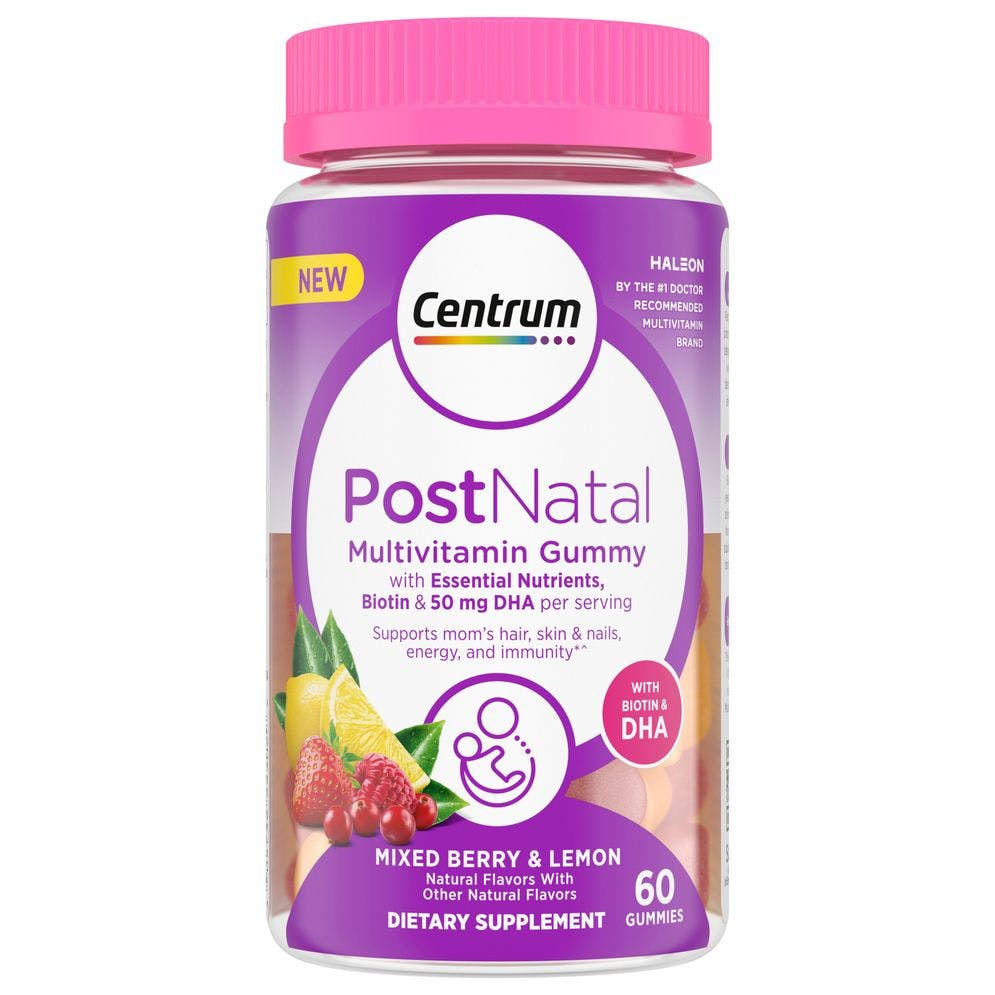
A multivitamin gummy that supports new moms with essential nutrients like Biotin for hair, skin, and nail health, Vitamin C for immune support, and Iodine to support baby's development through breastfeeding.*
Folic Acid Helps Support


Latest Articles



Explore Additional Vitamins & Minerals



*This statement has not been evaluated by the Food and Drug Administration. This product is not intended to diagnose, treat, cure, or prevent any disease.
Source Citations:
- Folate (folic acid). Mayo Clinic. https://www.mayoclinic.org/drugs-supplements-folate/art-20364625. Accessed 7/29/2025. Return to reference
- Folate. National Institutes of Health. https://ods.od.nih.gov/factsheets/Folate-HealthProfessional/?swcfpc=1. Accessed 7/29/2025. Return to reference
- Folic Acid: Facts for Clinicians. CDC. https://www.cdc.gov/folic-acid/hcp/clinical-overview/index.html. Accessed 7/29/2025. Return to reference


