

Taking Vitamins and Supplements While on GLP-1 Medications


GLP-1 (glucagon-like peptide-1) medications have gained popularity for their ability to help manage type 2 diabetes and support weight loss.[1] Learn how GLP-1 medications work, their role in weight loss and whether supplements can support a healthy diet while taking these medications.

How Do GLP-1 Medications Help with Weight Loss?
GLP-1 medications work by mimicking the GLP-1 hormone produced by the small intestine that helps trigger insulin release to help manage blood sugar.[1] These medications are typically used to treat type 2 diabetes and obesity.[1] When it comes to weight loss to help with obesity, GLP-1 medications can slow digestion and increase satiety, helping you feel fuller longer and potentially reducing your overall consumption.[1] This process contributes to weight loss, especially when paired with lifestyle changes like diet and exercise.[1]
Research on GLP-1 Medications and Supplements
Research shows that GLP-1 medications can contribute to lower food intake and cause patients to eat fewer calories overall.[2] As these medications can cause you to eat less, it’s important to consume nutrient-rich foods to ensure you are meeting your micronutrient needs.[2] As a result, some patients may benefit from supporting a balanced diet with additional vitamin supplementation.[2] Ask your healthcare practitioner for guidance on how to maintain proper nutrition while losing weight.[2]
Before taking any supplements with your GLP-1 medication, consult with your healthcare practitioner to find the best course of action.[2] When considering supplements, it's important to view them as supporting a healthy diet rather than replacing nutrients.
Nutrition and Dietary Needs on a GLP-1
Individuals who take GLP-1 medications often reduce their food intake.[2] This means that the quality of their diet is more important as they need to meet their nutritional needs with fewer calories.[2] Experts suggest eating a balanced diet of nutrient-dense foods while using GLP-1 medications.[2] Examples of nutrient-dense foods include vegetables, fruits, whole grains, seafood, eggs, legumes, unsalted nuts and seeds, low-fat dairy products and lean meats.[2]
Nutritional Concerns While Taking GLP-1 Medications
Individuals taking GLP-1s may experience a significant appetite reduction, which can correspond to a caloric reduction of 16% to 39%.[4]This reduction can happen rapidly and as a result, certain nutrients are at risk of being at a deficiency.[4]
Essential Vitamins
Those who take GLP-1 agonists to manage obesity may have trouble getting the vitamins they need.[3][4] Here are some vitamins that may be at risk of deficiency while taking these medications:[3][4][5]
- Vitamin A: This nutrient is essential for immune function and normal vision. It’s necessary for cell growth and development.
- Thiamin (Vitamin B1), Riboflavin (Vitamin B2), Biotin (Vitamin B7) and Niacin (Vitamin B3): These nutrients help release energy from fat, carbohydrates and protein.
- Pantothenic Acid (Vitamin B5): This nutrient also assists in the release of energy from fat,carbohydrates and protein but also assists fat, cholesterol, steroid hormones and hemoglobin synthesis.
- Vitamin B6: Supports metabolic reactions and assists neurotransmitters, hemoglobin and DNA production.
- Vitamin C: This nutrient is an antioxidant in blood cells and assists with collagen, serotonin, carnitine and adrenaline production.
- Vitamin D: Promotes bone health, immune function and maintains calcium and phosphorous balance.
- Vitamin E: Acts as an antioxidant in cell membranes and supports normal nerve function.
- Vitamin K: Creates proteins in the liver, called clotting factors, that enable your blood to clot.
Essential Minerals
There are a range of minerals and nutrients that your body needs to function properly. Those taking GLP-1 agonists may be at risk for not getting enough of these minerals in their diet due to decreased appetite and reduced caloric intake:[4][6]
- Iron: This mineral is part of hemoglobin, the protein that transports oxygen from the lungs throughout the body. It’s crucial for cellular grown and development.
- Calcium: Primarily stored in the teeth and bones to keep them strong. This mineral helps muscles and blood vessels expand and contract.
- Magnesium: Helps the body regulate nerve and muscle function, blood sugar levels and blood pressure. It’s needed to make protein, bones and DNA.
- Zinc: Helps support the immune system in its efforts against bacteria and viruses. This mineral helps support wound healing and is needed for the creation of proteins and DNA.
GLP-1s and Supplements
An individual who is going through extreme nutrient deficiency due to a severely reduced diet may exhibit signs like:
- Extreme fatigue
- Excessive hair loss
- Skin flaking or itching
- Muscle weakness
- Poor wound healing
- Unusual bruising
These symptoms of nutrient deficiency may serve as a reminder or warning to proactively manage what you’re eating, so that your meals are nutritionally complete, even with a lower calorie intake.[4] This may mean that dietary supplementation can be helpful, while an individual learns to manage their diet as they adjust to the medications.
Should You Take Supplements with GLP-1s?
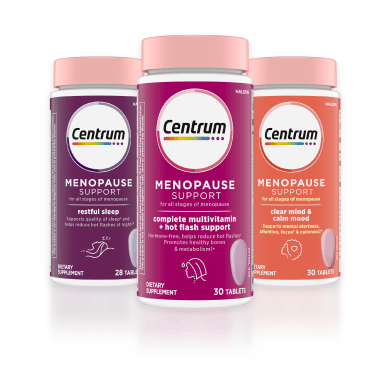
Supplementation is intended to support nutrition; it should enhance a balanced diet, not replace it.[2] But for those who are looking to ensure that they’re getting the nutrients they need, Centrum Nutrient Replenish is intended to fill nutrient gaps in low calorie diets with 19 high-potency ingredients including vitamins A, B, C, D, E, and K.[7] This multivitamin is specially formulated support your weight loss journey.*
Remember to consult with a healthcare provider before adding new supplements to your routine if you’re using GLP-1 medications.
GLP-1 medications can support weight loss and blood sugar management, but their benefits are best realized when combined with healthy lifestyle choices.[1] Vitamin supplements can complement your diet while taking GLP-1 medications, but they should be seen as supportive rather than replacing nutrients from food.[2] Always consult with a healthcare provider before making changes to your supplement regimen to ensure they fit your health needs.
*These statements have not been evaluated by the Food and Drug Administration. This product is not intended to diagnose, treat, cure or prevent any disease.
Recommended Articles