

Why Your Body Doesn't Bounce Back Quite Like It Used To (and What You Can Do About It)



Key Takeaways
- Many adults begin noticing changes in recovery, energy, and resilience in their mid-30s, even when they still feel young at heart.[1]
- Slower recovery after exercise is a common part of aging and may be linked to changes in muscle repair and cellular function.[2]
- Nutrition, movement, sleep, and other healthy habits can help support long-term healthspan and overall vitality.[4]
- Centrum Age Defy Men 35+ and Centrum Age Defy Women 35+ are designed to provide nutritional support for adults 35+ who want to support their health as they age.
As a kid, you could spend the whole day playing sports, staying up late, and then wake up bright and early to do it all over again. Now? One tough workout can leave you sore for days, a late night can throw off your entire week, and even when your mind is ready to go, your body seems like it has other plans.
If you’ve ever wondered why your recovery feels slower than it used to, you’re not imagining things. As adults age, many may begin noticing that their bodies don’t feel quite as young as they once did.[1] Sleep disruptions may feel more noticeable, recovery may take longer, and everyday demands can seem more physically taxing than they once were.[1]
Understanding what’s happening can help you take the steps to support your body today, and for years to come. Let’s explore why your body doesn’t bounce back quite like it used to, and what you can do to feel your best both inside and out.
The Reality of Recovery After Age 35
Getting older doesn’t mean you suddenly lose your energy or ability to stay active[5], but it does mean that your body can start responding differently to physical stress[2]
Research shows that aging muscle may experience delayed and less efficient recovery following exercise-induced muscle damage.[2] Changes in inflammation, muscle remodeling, and cellular function are thought to contribute to these age-related differences in recovery.[2]
These signs can show up as things like[2]
- Longer lasting soreness
- More fatigue after exercise
- Slower recovery between workouts
These changes are a normal part of the aging process and don’t necessarily mean you’re unhealthy.[2]
Signs Your Body Is Asking for More Support
You don’t have to be approaching retirement to notice that your body is changing, but the first signs of aging aren’t always dramatic.
Many adults in their 30s and 40s begin experiencing signs such as:[2]
- Feeling sore longer after working out
- Taking more time to recover after busy weekends
- Needing more recovery time than they did in their 20s
According to health experts, many of these changes are linked to natural shifts in metabolism, hormones, and lifestyle demands that become more noticeable with age.[2]
Why Workouts Hit Different Now
Exercise naturally places stress on muscles and other tissues, and recovery is the process through which your body repairs, rebuilds, and adapts after that stress.[2]
In younger adults, those repair processes often happen relatively quickly, but as we age, recovery may become less efficient and require more time to complete.[2]
In fact, research suggests that older muscle tissue often demonstrates delayed, prolonged, and less efficient recovery following exercise-induced muscle damage compared with younger muscle tissue.[2]
That doesn’t necessarily mean that exercise should become less important though – it actually becomes more vital to wellbeing as we age.[5] Supporting recovery through healthy habits and proper nutrition can help you continue doing activities you enjoy.
The Science Behind Slower Bounce-Back: What’s Happening Inside Your Body?
Recovery isn’t just about muscles. Many of the changes people notice as they age begin at the cellular level.[3]
Over time, cells experience gradual changes that can affect how efficiently they function, and these age-related cellular changes may contribute to the physical signs associated with aging.[3]
Cellular Changes Over Time
Scientists have long recognized that aging is associated with progressive cellular dysfunction.[3] Normal cells have a finite lifespan, and age-related cellular changes can affect how effectively your tissues and organs function over time.[3]
NAD+ and Cellular Energy Production
Researchers continue to study the role of nicotinamide adenine dinucleotide (NAD+), a coenzyme involved in cellular energy production and cellular repair processes.[4]
Research suggests that both aging and metabolic stress can affect NAD+ metabolism and cellular NAD+ levels.[4] Changes in NAD+ metabolism have been associated with increased oxidative stress, inflammation, and changes in tissue function.[4]
The Role of Oxidative Stress in Aging
Throughout life, the body is exposed to a variety of physiological and environmental stressors.[4]
Examples include:[4]
- Sedentary behavior
- Sleep deprivation
- Environmental exposures
- Normal metabolic processes
Research notes that these stressors can negatively affect cellular tissue and function over time.[4] Good nutrition can help support healthy cellular function and overall health as we age.[4] Certain nutrients and bioactive compounds have been studied for their ability to help support healthy aging, resilience, and overall healthspan.[4]
Getting Your Body Back on Track
While aging is inevitable, there are steps you can take to support your health and help maintain a sense of vitality.
Stay Active
Research shows that many changes commonly associated with aging may be influenced by inactivity.[5] Physical activity can help support strength, mobility, cardiovascular health, and overall vitality as you get older.[5]
Even small amounts of regular movement throughout the day can help support energy levels and physical function.[6]
Prioritize Recovery
Getting adequate sleep is an important part of maintaining energy levels as we age.[6]
Movement, adequate rest, and attention to overall wellness can help support healthy energy levels and day-to-day vitality.[6]
Focus on Nutrition
Nutrition is increasingly recognized as a cornerstone of health promotion, healthy aging, and healthspan.[4]
Researchers describe nutrition as an important tool for supporting resilience, helping the body respond to with physiological stress, and supporting health and function over time.[4]
Adequate intake of vitamins, minerals, antioxidants, and other nutrients can help support overall health and healthy aging.[4]
Support Your Next Chapter with Centrum Age Defy
As your body changes, your nutritional needs may change, too.
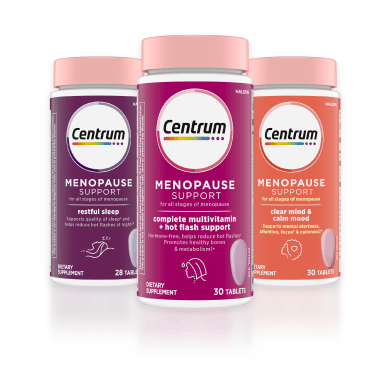
Centrum Age Defy is designed specifically for adults aged 35 and older who want proactive nutritional support for healthy aging.
Centrum Age Defy 35+:
- Supports cellular energy with B vitamins
- Contains niacin to support cellular energy and metabolism
- Provides antioxidant support
- Assists in immune support
- Helps with healthy aging
Supporting Men’s Health
For men balancing careers, workouts, family responsibilities, and active lifestyles, Centrum Age Defy Men 35+ provides nutritional support designed to help support healthy aging.
Supporting Women’s Health
For women navigating busy schedules and changing nutritional needs after 35, Centrum Age Defy Women 35+ provides nutritional support designed to help support healthy aging.
The Bottom Line About Aging
Many adults begin noticing changes in recovery, resilience, and energy as they move through their 30s and beyond.[1]
While some age-related changes are inevitable, research suggests that healthy habits—including regular physical activity, quality nutrition, adequate recovery, and proactive wellness support—can help support healthy aging and long-term vitality.[5]
Centrum Age Defy Men 35+ and Centrum Age Defy Women 35+ are designed to help support adults age 35 and older who want to support their health as they age and continue living life on their terms.
Source Citations:
Grow Up, Glow Up: 7 Important Health Habits to Build in Your 30s. MedStar Health. https://www.medstarhealth.org/blog/health-over-30. Accessed. 6/9/2026. Return to reference
Age-Associated Differences in Recovery from Exercise-Induced Muscle Damage. Cells. https://pmc.ncbi.nlm.nih.gov/articles/PMC10854791/. Accessed 6/9/2026. Return to reference
The Cellular Basis of Aging. Western Journal of Medicine. https://pmc.ncbi.nlm.nih.gov/articles/PMC1273329/. Accessed 6/9/2026 Return to reference
Nutrition's Role in Extending Healthspan: CRN-International Symposium Report. European Journal of Nutrition. https://pmc.ncbi.nlm.nih.gov/articles/PMC12957093/. Accessed 6/9/2026. Return to reference
Exercise and Aging: Can You Walk Away from Father Time. Harvard Health Publishing. https://www.health.harvard.edu/staying-healthy/exercise-and-aging-can-you-walk-away-from-father-time. Accessed 6/9/2026. Return to reference
Age-Defying Energy Levels. Johns Hopkins Medicine. https://www.hopkinsmedicine.org/health/wellness-and-prevention/age-defying-energy-levels. Accessed 6/9/2026. Return to reference